Questions to Ask a Listing Agent Before Selling Your Home
If you’re getting ready to sell your home in Trinity, New Port Richey, Spring Hill, or anywhere in Pasco or Hernando County, you’ll probably spend a lot of time thinking about your home’s value, how long it might take to sell, and what you’ll walk away with after closing.
Those are all important questions.
But before you worry about any of that, there’s another decision that deserves just as much attention: choosing the right Realtor.
I’ve met plenty of homeowners who interviewed two or three agents and came away more confused than when they started. One agent promised the highest price. Another offered the lowest commission. A third claimed they had the biggest marketing budget.
When every presentation sounds great, how do you know who is actually the right fit?
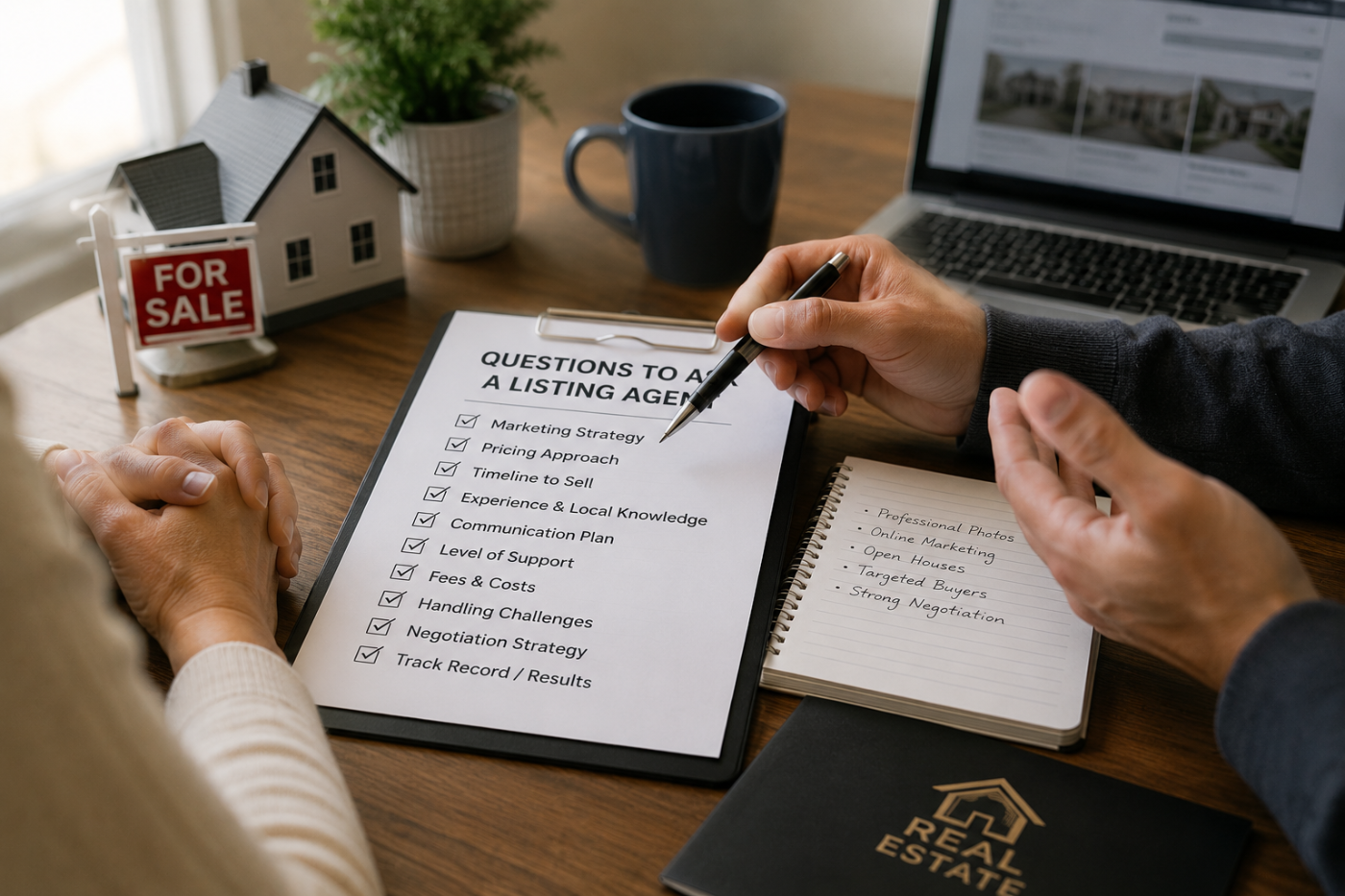
The answer isn’t to look for the flashiest presentation or the highest price estimate. It’s to ask better questions.
The conversation should tell you far more than a marketing packet ever will. It should help you understand how an agent thinks, communicates, solves problems, and whether they’ll still be there when unexpected challenges come up.
I actually encourage homeowners to interview multiple Realtors. Selling a home is one of the biggest financial decisions most people ever make. You should feel completely comfortable asking detailed questions before deciding who will represent you.
Don’t Choose the Agent Who Simply Tells You What You Want to Hear
One of the most common situations I see is a homeowner receiving three completely different opinions about what their home is worth.
That surprises a lot of people.
The natural reaction is to assume the highest number must be the best choice.
In reality, the highest estimate isn’t always the most accurate.
Pricing a home isn’t about optimism. It’s about understanding today’s buyers, current competition, recent comparable sales, and how your property compares to everything else available.
A good listing agent should be able to explain why they arrived at a recommended price—not just hand you a number.
Instead of asking, “What is my house worth?” try asking questions like:
- How did you determine that price?
- Which comparable sales influenced your recommendation?
- What homes will buyers compare mine to?
- What could cause us to adjust pricing later?
The answers often tell you more about an agent’s experience than the number itself.
Here in Pasco and Hernando Counties, pricing can vary significantly from one neighborhood to the next.
A home in Trinity may attract a very different buyer than a similar property in Spring Hill. A waterfront home in New Port Richey requires a different strategy than a villa in a 55+ community or a family home in Land O’ Lakes.
Every neighborhood has its own dynamics, and your pricing strategy should reflect that.
Ask What Happens If the Home Doesn’t Sell Quickly
Every seller hopes their home will receive immediate interest.
Sometimes it does.
Sometimes it doesn’t.
That’s why I believe one of the smartest questions you can ask is:
“What happens if my home isn’t getting showings or offers?”
An experienced Realtor shouldn’t have to think about the answer.
They should already have a plan.
I closely monitor things like:
- Online views
- Showing activity
- Feedback from buyers
- Comparable homes coming onto the market
- Price changes from competing listings
The first couple of weeks after your home goes on the market are incredibly important. That’s when your listing receives the most attention from buyers who have been waiting for something new.
If activity isn’t where it should be, I don’t believe in simply waiting and hoping something changes.
Instead, I look at the data and decide what adjustments make sense. Sometimes it’s pricing. Sometimes it’s presentation. Sometimes it’s marketing. Every situation is different.
Ask How They Plan to Market Your Home
This is where you’ll often find one of the biggest differences between listing agents.
Some agents take photos with their phone, upload the listing to the MLS, place a sign in the yard, and wait for buyers to find it.
Others create a marketing strategy that gives the home every opportunity to stand out.
Marketing isn’t about checking boxes.
It’s about putting your home in front of the right buyers and presenting it in the best possible light.
When I meet with sellers, I encourage them to ask every Realtor they’re interviewing:
- What is your marketing plan?
- Do you use professional photography?
- Will my home be advertised beyond the MLS?
- How do you make my listing stand out from similar homes?
Those questions usually reveal how much thought an agent puts into marketing before the home ever goes live.
Today’s buyers almost always begin their search online.
That means your home’s first showing usually happens on a phone or computer screen.
Professional photography, compelling descriptions, accurate pricing, and thoughtful marketing all work together to create a strong first impression.
Ask About Communication Before You Sign Anything
I’ve heard the same frustration from homeowners over and over again.
“I couldn’t get my agent to call me back.”
Selling a home can be stressful enough without wondering what’s happening behind the scenes.
That’s why I think communication deserves its own conversation before you hire anyone.
Ask questions like:
- How often will I hear from you?
- Will you personally answer my calls and texts?
- Who will be my primary point of contact?
- How will you keep me updated after showings?
These questions become even more important if you’re selling under difficult circumstances.
Many of the families I work with are navigating much more than a real estate transaction.
Some are helping aging parents move into assisted living.
Others are settling an estate after losing a loved one.
Some live several states away and need someone they can trust to handle everything locally.
In those situations, consistent communication isn’t a luxury.
It’s essential.
Ask About Their Experience With Homes Like Yours
Experience matters.
But years in real estate only tell part of the story.
I’d rather work with someone who has successfully handled situations like mine than someone who’s simply been licensed for a long time.
For example, selling a home that’s been lovingly maintained for 30 years is very different from selling a vacant inherited property or a house that needs significant repairs.
Ask questions like:
- Have you sold homes similar to mine?
- What challenges do you expect with my property?
- What would you recommend I do before putting it on the market?
- What wouldn’t you spend money on?
A good Realtor won’t tell you every home is perfect.
They’ll point out potential issues before buyers do.
That honesty can save you time, money, and unnecessary stress later.
I’ve found that many sellers appreciate straightforward advice, even when it’s not what they expected to hear. If repainting a room will make a meaningful difference, I’ll tell you. If replacing perfectly functional countertops isn’t likely to increase your return, I’ll tell you that too.
My goal isn’t to create more work for you. It’s to help you make smart decisions.
Ask What Happens Before the Home Ever Goes on the Market
Many homeowners assume the work starts the day the sign goes in the yard.
In reality, that’s often when the preparation pays off.
The weeks before your home is listed can have a big impact on how buyers respond.
Ask your Realtor:
- What should I do before listing?
- Are there repairs that are actually worth making?
- Should I paint?
- Do I need to replace flooring?
- Should I empty the house before selling?
- Is professional staging necessary?
The answers shouldn’t be the same for every home.
I’ve walked through homes where I recommended doing very little because they were already ready for the market.
I’ve also seen homes where a weekend of decluttering and a few inexpensive improvements completely changed the way buyers perceived the property.
Every seller’s budget, timeline, and goals are different.
That’s why I don’t believe in handing everyone the same checklist.
Ask What Support You’ll Receive Beyond the Sale
This is one of the questions I wish more homeowners would ask.
Most people assume a Realtor’s job is putting a home on the MLS, scheduling showings, negotiating offers, and handling paperwork.
Those things are certainly part of the job.
But for many of the families I work with, they’re only a small part of the overall picture.
Sometimes selling the house is actually the easiest part.
The bigger challenge is everything surrounding the sale.
You may need to coordinate:
- Estate cleanouts
- Contractors
- Painters
- Roofers
- Electricians
- Plumbers
- Junk removal
- Estate sale companies
- Family members who all have different opinions
- Digital paperwork while living out of state
I’ve helped families through situations where adult children lived in three different states, a parent had already moved into assisted living, and no one knew where to begin.
Those are the moments when having someone coordinate the moving pieces becomes just as valuable as negotiating the purchase contract.
One question I encourage every homeowner to ask is:
“How involved are you once the listing agreement is signed?”
Some agents step back after entering the listing into the MLS.
Others stay involved from the first conversation until the day you hand over the keys.
I believe that’s especially important for seniors, inherited properties, estate situations, and out-of-state owners who simply can’t be here to manage every detail themselves.
Ask About Your Selling Options
One of the reasons I built my business differently is because I’ve learned there isn’t one perfect way to sell every home.
Every homeowner has different priorities.
Some want to maximize every possible dollar.
Others need to sell quickly.
Some are balancing work, family, and a move to another state.
Others are helping parents transition into assisted living.
Those situations shouldn’t all receive the same recommendation.
That’s why I think it’s important to ask every Realtor:
“What selling options do you offer?”
A thoughtful answer should take into account:
- Your timeline
- The home’s condition
- Your financial goals
- Whether repairs make sense
- Your comfort level with showings
- The current local market
Sometimes a traditional MLS listing is clearly the best choice.
Sometimes selling as-is makes more sense.
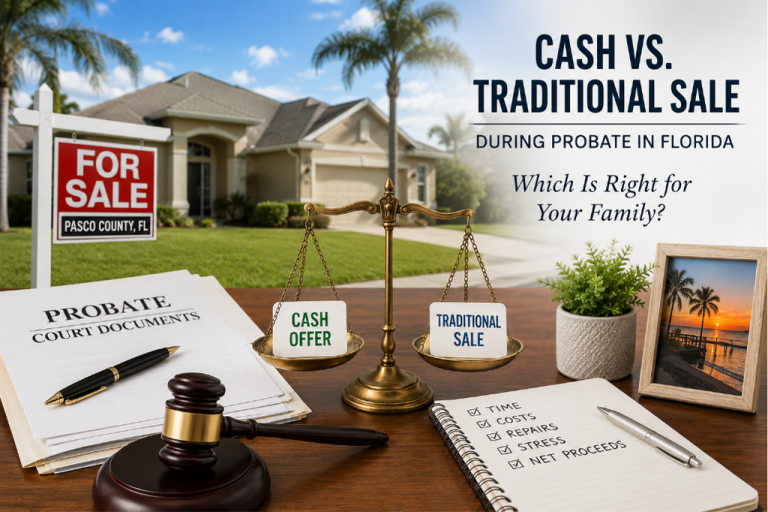
Occasionally a cash offer deserves serious consideration.
The important thing isn’t convincing every homeowner to choose the same path.
It’s helping you understand the advantages and trade-offs so you can make an informed decision.
I’ve always believed that the earlier we start talking, the more options you’ll usually have.
Ask How They’ll Help You Make Decisions
Selling a home isn’t just about filling out paperwork.
Throughout the process, you’ll probably have dozens of decisions to make.
Should you accept the first offer?
Should you make inspection repairs?
Should you reduce the price?
Should you wait another week?
Should you replace the roof?
Should you leave appliances?
A Realtor shouldn’t simply present choices.
They should explain the pros and cons so you can decide what’s best for your situation.
That’s the difference between someone who opens doors and someone who serves as a trusted advisor.
Should You Interview More Than One Realtor?
Absolutely.
In fact, I encourage it.
Meeting with more than one agent helps you compare communication styles, marketing strategies, pricing recommendations, and personalities.
You’re not just hiring someone to sell a house.
You’re choosing someone you’ll likely be talking with regularly throughout one of life’s biggest financial transactions.
The lowest commission doesn’t automatically make someone the best value.
The highest suggested price doesn’t necessarily produce the highest sale price.
The best choice is usually the person who listens carefully, answers your questions honestly, explains their recommendations, and gives you confidence that they’ll be there when challenges arise.
If every conversation feels rushed or sounds like a sales presentation, keep interviewing.
The right Realtor should leave you feeling informed—not pressured.
Red Flags to Watch for When Interviewing a Listing Agent
As you’re interviewing Realtors, don’t just pay attention to what they’re saying. Pay attention to how they’re saying it.
I’ve found that the best agents aren’t afraid to have honest conversations. They won’t promise you the moon just to get your signature.
Here are a few warning signs that should make you pause.
They Promise the Highest Price Without Evidence
If one agent tells you your home is worth significantly more than everyone else, ask them to explain why.
A pricing strategy should be backed by comparable sales, current competition, buyer demand, and local market knowledge—not wishful thinking.
Overpricing a home often leads to fewer showings, longer time on the market, and eventually price reductions that can make buyers wonder what’s wrong with the property.
Their Marketing Plan Sounds Generic
If every answer is “We’ll put it on the MLS,” keep asking questions.
The MLS is important, but it’s only one piece of a successful marketing strategy.
Every home deserves thoughtful positioning.
A waterfront home in Gulf Harbors isn’t marketed the same way as a villa in Heritage Springs.
A family home in Trinity attracts different buyers than a condo in New Port Richey or an inherited property in Spring Hill.
Marketing should reflect the home—not follow a one-size-fits-all formula.
Communication Feels Like an Afterthought
If it’s difficult to get answers before you’ve signed a listing agreement, imagine what it may be like afterward.
Selling a home involves a lot of moving parts.
Questions come up.
Inspections happen.
Negotiations change direction.
You shouldn’t spend days wondering if someone is going to call you back.
They Don’t Ask Many Questions
This is one of the biggest red flags I see.
A Realtor shouldn’t spend the entire appointment talking.
They should spend a good portion of it listening.
Before I recommend a selling strategy, I want to understand things like:
- Why are you moving?
- What’s your ideal timeline?
- Is anyone helping you?
- Are repairs already planned?
- Is this a family home you’ve owned for decades?
- Are you managing the sale from another state?
Without understanding your situation, it’s impossible to recommend the best path forward.
Why Local Experience Makes a Difference
Real estate is local.
Even neighborhoods that are only a few miles apart can behave very differently.
I’ve seen buyers pay premiums for one side of a subdivision while overlooking similar homes just down the road.
Flood zones, insurance costs, HOA rules, school districts, commute times, and nearby amenities all influence buyer decisions.
That’s why I believe local knowledge matters.
Someone who regularly works in Trinity, New Port Richey, Spring Hill, Hudson, Odessa, Land O’ Lakes, and throughout Pasco and Hernando Counties has a better understanding of how buyers view those communities.
That local perspective helps with pricing, marketing, negotiating, and setting realistic expectations from the beginning.
There Isn’t One Right Way to Sell Every Home
One of the things I enjoy most about real estate is that no two situations are exactly alike.
Some homeowners are preparing for retirement.
Others are helping parents move into assisted living.
Some families are settling an estate after losing a loved one.
Others have accepted a new job and need to relocate quickly.
I’ve also worked with out-of-state owners who needed someone local to coordinate repairs, cleanouts, and everything else that had to happen before the home could be sold.
The house may look similar from the street, but the people behind the sale often have very different priorities.
That’s why I don’t believe in offering the same advice to everyone.
Some sellers benefit from preparing the home for the open market.
Others are better served by selling as-is.
Sometimes investing in repairs makes financial sense.
Other times it doesn’t.
The goal isn’t to force every seller into the same process.
The goal is to help you understand your options so you can choose the one that best fits your circumstances.
The Best Realtor Isn’t Necessarily the Best Salesperson
When people ask me what they should be looking for in a listing agent, my answer is usually pretty simple.
Find someone who listens more than they talk.
Find someone who explains their recommendations instead of making promises.
Find someone who’s honest about both the opportunities and the challenges.
Find someone who treats your home sale like it’s unique—because it is.
Selling a home isn’t just another transaction.
For many people, it’s tied to retirement, family changes, downsizing, inheritance, or the beginning of a completely new chapter.
You deserve an agent who understands that.
My Final Advice
If you’re planning to sell your home in Trinity, New Port Richey, Spring Hill, or anywhere in Pasco or Hernando County, don’t feel like you have to make a decision after one conversation.
Interview a few Realtors.
Ask detailed questions.
Take notes.
Compare the answers.
The right Realtor won’t be offended by your questions—they’ll welcome them.
I’ve always believed that the first meeting shouldn’t be about convincing you to list your home with me.
It should be about understanding your goals, answering your questions honestly, and helping you make informed decisions.
Sometimes that conversation happens a week before you plan to sell.
Sometimes it happens a year or two in advance.
In my experience, starting early almost always gives homeowners more options, less stress, and better outcomes.
Whether you’re downsizing, selling a parent’s home, handling an inherited property, relocating, or simply wondering what your next step should be, I’m always happy to have a straightforward conversation. Even if you decide you’re not ready to sell yet, you’ll leave with a clearer understanding of your options and a plan that fits your situation—not someone else’s.
Helpful Resources
- How to Choose the Right Realtor in New Port Richey – Learn what qualities to look for when comparing Realtors and why choosing the right fit matters.
- What Is My Home Worth? – Understand how home values are determined and why pricing strategy is more than just picking a number.
- My Home Selling Options Explained – Explore the different ways to sell your home and how to decide which approach best fits your goals.
- Should I Fix Up My House or Sell It As-Is in Spring Hill? – Find out which repairs are worth making before you list your home.